Walking is an activity most people perform automatically, but injury, surgery, illness, pain or changes in strength and balance can make each step feel uncertain. A person may begin limping, take shorter steps, rely more heavily on one side or feel nervous when walking outdoors. These changes can affect independence and everyday routines.
Gait training physiotherapy in Indore focuses on assessing and practising the different parts of walking so that movement can become safer and more efficient. At Sahaj Aarogyam, people can enquire about physiotherapy services and discuss whether a supervised mobility programme is suitable for their individual needs. The plan should be based on an assessment rather than a standard set of exercises.
What Is Gait Training?
Gait training is a rehabilitation approach that helps a person practise walking and related movements. Depending on the assessment, sessions may focus on posture, step length, weight transfer, foot placement, walking speed, turning, coordination or confidence while moving.
The goal is not simply to walk faster. For one person, progress may mean taking safer steps with a walking aid; for another, it may mean improving balance while turning or building enough endurance to manage daily activities. A physiotherapist sets goals according to the person’s abilities, health condition and recovery stage.
Who May Benefit from Gait Training Physiotherapy?
Gait training may be considered for people whose walking pattern has changed because of a neurological condition, an orthopaedic problem, an injury, surgery, prolonged inactivity or age-related changes in strength and balance. It may also form part of rehabilitation when pain, weakness or reduced joint movement affects normal walking.
Examples include people recovering from a lower-limb fracture or surgery, individuals experiencing balance difficulties, and people whose walking has changed after a stroke or another neurological event. The type and intensity of rehabilitation must be individualised. Some conditions require medical clearance or coordinated care with other healthcare professionals before exercises begin.
How a Physiotherapist Assesses Walking
An assessment may begin with questions about the person’s medical history, symptoms, falls, previous treatment, walking aids and everyday mobility goals. The physiotherapist may observe the person standing, starting to walk, moving in a straight line, turning and sitting down.
Depending on the individual, the assessment may consider balance, lower-limb strength, joint movement, coordination, sensation, pain and walking endurance. The clinician may also check whether footwear or an assistive device is appropriate. If symptoms suggest a medical issue outside the scope of physiotherapy, referral for medical assessment may be recommended.
What Can a Gait Training Session Include?
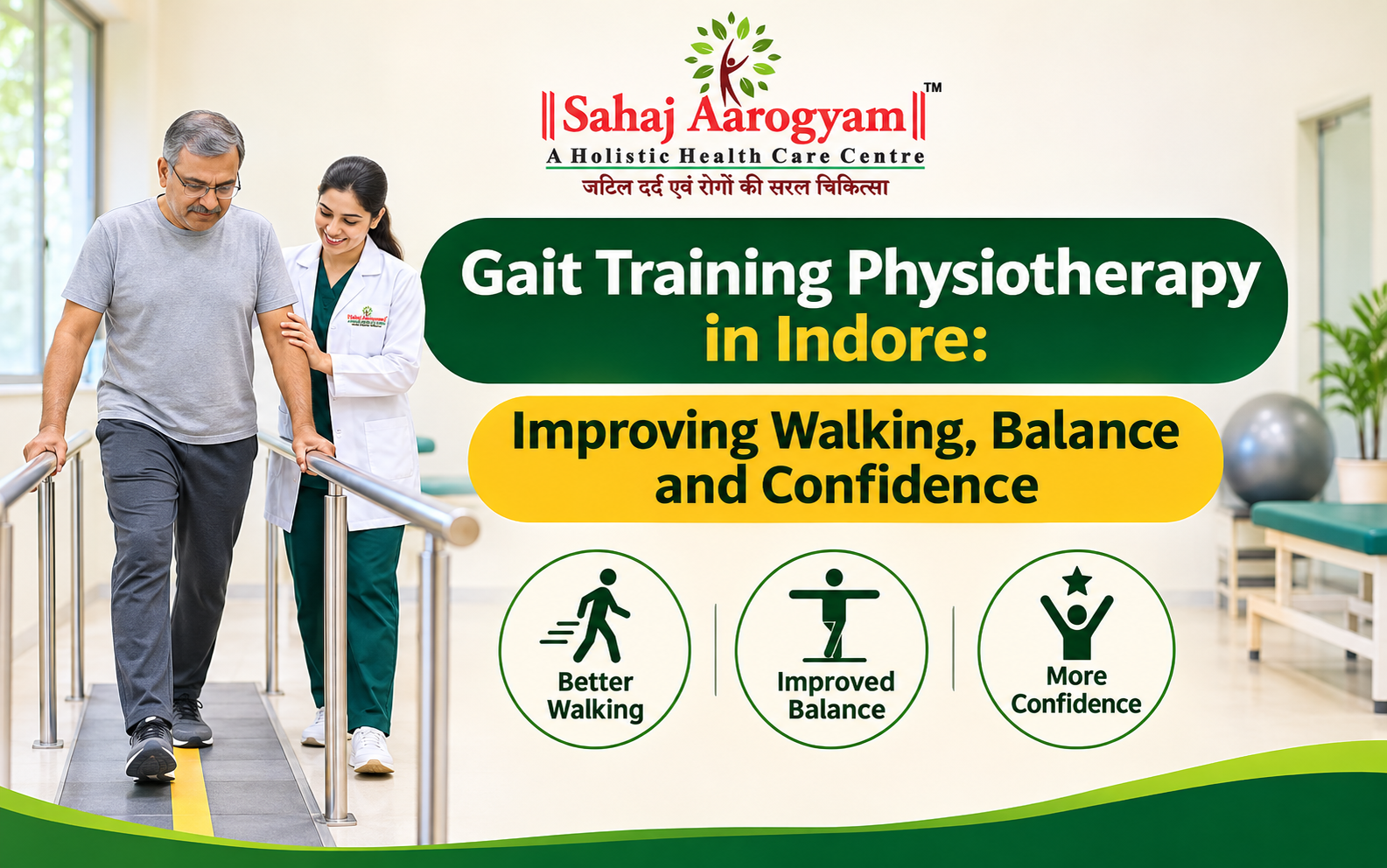
Activities vary according to the person’s needs and safety. A session may include practising weight shifts, controlled stepping, sit-to-stand movements, walking between markers, turning, stepping over low obstacles or walking with an appropriate support. Exercises may be performed near a stable support or with supervision when balance is limited.
Some people need practice with a cane, walker or another mobility aid. The physiotherapist can help assess whether the device is suitable and explain safe use. Strengthening and balance exercises may also be included when relevant, because walking depends on several systems working together.
Progression should be gradual. A therapist may adjust the distance, speed, surface or level of support as the person becomes more capable. Exercises should not be advanced simply to make a session harder; safety and functional improvement remain the priorities.
Why Balance, Strength and Coordination Matter
Walking requires coordinated activity from the muscles, joints, nervous system, vision and balance systems. Reduced strength may make it difficult to clear the foot or control the body during a step. Limited joint movement can affect stride, while balance difficulties may make turning or walking on uneven ground challenging.
That is why a gait programme may address more than the walking pattern itself. Depending on the assessment, it may include lower-limb strengthening, controlled balance tasks, coordination practice and strategies for managing fatigue. A tailored programme aims to improve the activities that matter to the individual, not just performance during a clinic session.
How to Practise Safely Between Sessions
Follow the home programme provided by your physiotherapist and ask for clarification if an exercise feels unsafe or causes unexpected symptoms. Practise only in the recommended area, use the advised support and avoid attempting challenging balance activities alone if you are at risk of falling.
Keep walkways at home clear, ensure commonly used items are easy to reach and use suitable footwear. If you have been advised to use a walking aid, do not stop using it without professional guidance. Record changes such as increased pain, dizziness, unusual fatigue or near-falls and discuss them with your clinician.
Stop an activity and seek appropriate medical advice if you experience chest pain, fainting, sudden severe breathlessness, new weakness or a sudden change in coordination. Sudden facial drooping, speech difficulty or one-sided weakness requires emergency medical attention.
Gait Training at Sahaj Aarogyam, Indore
Effective rehabilitation begins with understanding why walking has become difficult and what the person wants to achieve. Sahaj Aarogyam offers physiotherapy-related services in Indore. If you are considering gait training, contact the centre to confirm current service availability, assessment arrangements and whether the team can support your particular rehabilitation needs.
Explore the centre’s About Us page: https://sahajaarogyam.com/sahaj-main/public/index.php/about-us. Visit the official website: https://www.sahajaarogyam.com/ and Google Business Profile: https://share.google/YeVYpNSmi6vLoMeJE for current business information. When enquiring, mention the reason your walking has changed, any diagnosis or surgery, current mobility aid and relevant medical advice.
Conclusion
Changes in walking can affect confidence, independence and participation in everyday life. Gait training physiotherapy uses individualised practice to address walking mechanics, balance, strength, coordination and safe use of mobility aids when needed. The right programme depends on the cause of the difficulty and the person’s health and functional goals.
If you are looking for gait training physiotherapy in Indore, begin with a professional assessment and discuss realistic goals with a qualified physiotherapist. Consistent, appropriately supervised practice can help people work towards safer and more functional movement.
Frequently Asked Questions
What is gait training in physiotherapy?
Gait training is rehabilitation practice focused on walking skills such as step pattern, balance, coordination, turning and safe mobility. The programme is adapted to the individual.
Who may need gait training?
It may be considered after certain injuries or surgeries, or when neurological, orthopaedic, balance or strength problems affect walking. A professional assessment helps determine suitability.
Can gait training help after a stroke?
Gait rehabilitation may be part of stroke recovery for some people. The programme must be guided by the person’s medical status, abilities and rehabilitation team.
Is gait training useful after leg surgery?
It may be included when the treating team considers walking practice appropriate. Follow the surgeon’s weight-bearing and movement instructions before starting or progressing exercises.
How long does gait training take?
There is no fixed duration. It depends on the underlying condition, recovery stage, goals, safety and response to rehabilitation.
Do I need a walking aid during gait training?
Some people benefit from a cane, walker or other support, while others do not. A physiotherapist can assess the need and help with safe use.
Can gait training improve balance?
A programme may include balance and coordination activities when these are relevant to walking safety. Results vary according to the cause and the individual’s health.
Can I practise gait exercises at home?
Yes, when your physiotherapist has recommended specific exercises and explained how to do them safely. Avoid unsupported or challenging tasks if you are at risk of falling.
When should I stop a gait training exercise?
Stop and seek advice if you experience new or severe pain, dizziness, unusual breathlessness, faintness or a sudden change in coordination. Sudden stroke-like symptoms require emergency care.
How can I enquire about gait training at Sahaj Aarogyam?
Visit Sahaj Aarogyam’s official website or Google Business Profile to check current services and contact details. Confirm that the centre can support your specific rehabilitation needs before booking.