
Tennis elbow physiotherapy in Indore may be worth considering when elbow discomfort interferes with work, sport or everyday activities. A careful assessment helps clarify the likely source of symptoms and whether a rehabilitation plan is suitable. At Sahaj Aarogyam, physiotherapy and rehabilitation can be discussed as part of an individualised approach to movement-related concerns.
What Is Tennis Elbow?
Tennis elbow, medically known as lateral elbow tendinopathy, usually causes pain and tenderness around the bony area on the outside of the elbow. It is often linked with repeated or demanding use of the wrist and forearm. Despite its name, it does not affect only tennis players. It can also occur in people whose work or hobbies involve gripping, lifting, tool use or repeated wrist movements.
The tendon may become sensitive when repeatedly loaded beyond its current capacity. Symptoms can develop gradually, and discomfort may increase when gripping an object, lifting with the palm facing down or straightening the wrist against resistance. Other conditions can cause similar pain, so symptoms alone cannot confirm the diagnosis.
Common Symptoms to Look Out For
Tennis elbow symptoms vary. Some people notice mild discomfort after activity, while others find that even light gripping becomes difficult. Possible signs include:
· Pain or tenderness on the outer side of the elbow.
· Discomfort when gripping, lifting, twisting or carrying objects.
· Pain that travels from the elbow into the forearm.
· Reduced grip comfort or difficulty completing repetitive tasks.
· Symptoms that worsen after particular work, sport or household activities.
Significant swelling, a major injury, marked weakness, numbness, fever or a hot and red joint should not simply be assumed to be tennis elbow. Seek prompt medical advice if these features occur, or if pain is severe, unexplained or worsening.
Why Can Tennis Elbow Develop?
Tennis elbow is often associated with repeated loading of the forearm tendons. Potential contributors include sudden increases in activity, frequent gripping, repetitive wrist extension, awkward lifting techniques or insufficient recovery between demanding tasks. A single clear injury is not always present.
The goal is not to label every activity as harmful or to stop using the arm indefinitely. Instead, it is useful to identify which loads currently aggravate symptoms and how activity can be adjusted while capacity is rebuilt. Work demands, sport, hobbies, general health and symptom history can all influence the plan.
What Happens During a Physiotherapy Assessment?
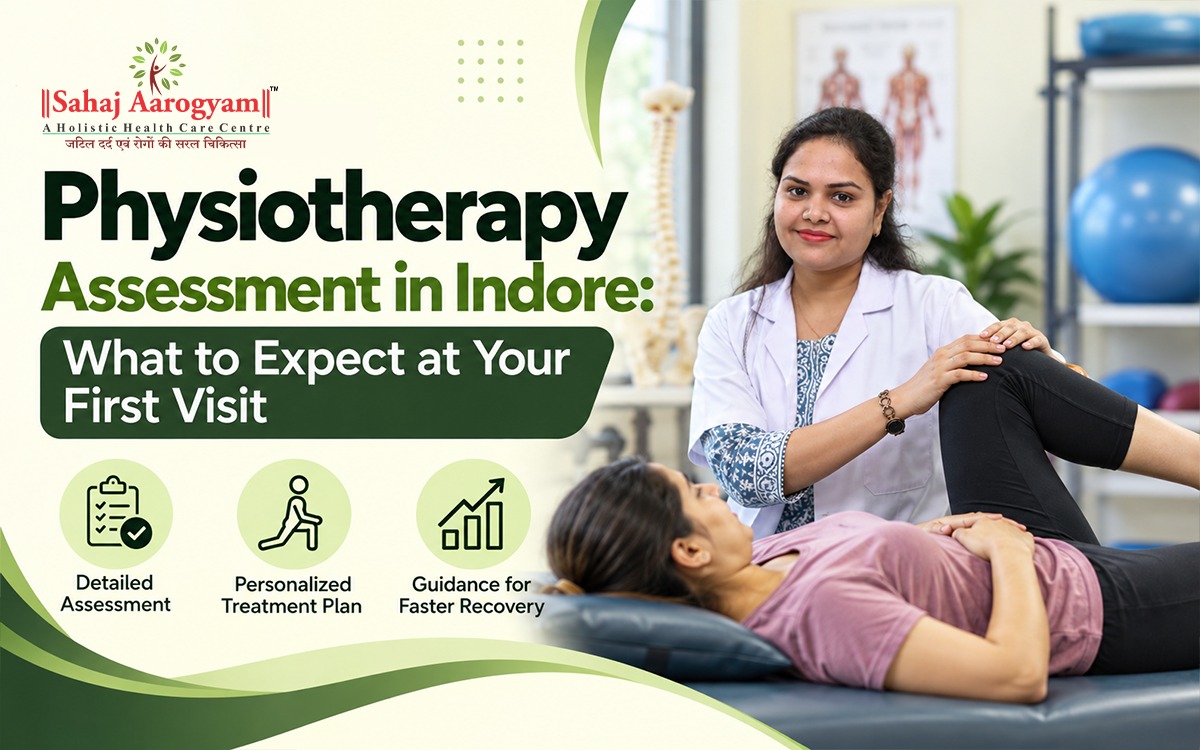
An assessment generally starts with a discussion of when the pain began, which movements aggravate it, how it affects daily life and whether you have had previous elbow or neck problems. The physiotherapist may review grip-related tasks, wrist and elbow movement, forearm strength and tenderness, depending on what is safe and relevant.
The assessment also helps consider other possible causes, including pain referred from the neck, nerve-related symptoms or a different elbow condition. If the findings suggest that further medical review is needed, referral may be appropriate. Not everyone requires imaging; that decision depends on the clinical picture and advice from the treating professional.
How Can Physiotherapy Support Recovery?
A physiotherapy programme should be tailored to symptoms, activity demands and examination findings. Depending on the individual, it may include several elements:
1. Activity and load adjustment
Temporarily modifying tasks that repeatedly provoke pain can reduce unnecessary irritation. This may mean changing how objects are lifted, alternating tasks, reducing repetitive gripping for a period or taking brief movement breaks. Complete rest for a prolonged period is not usually the only strategy; the appropriate level of activity should be guided by symptoms and professional advice.
2. Gradual strengthening
When suitable, a programme may include progressively loaded exercises for the wrist extensors and other muscles involved in forearm function. The starting level, repetitions and progression should be individualised. Some discomfort may occur during rehabilitation, but sharp or escalating pain should prompt a review of the exercise and load.
3. Movement and work guidance
A physiotherapist may review lifting technique, workstation habits, sporting equipment or other repetitive tasks. Small changes in how a task is performed can sometimes make it easier to manage symptoms while strength and tolerance improve.
4. Review and progression
Recovery is not identical for everyone. Progress can be reviewed through symptoms, grip tolerance and the ability to perform meaningful tasks. The plan may need adjustment if improvement stalls or new symptoms appear. Manual techniques or other supportive approaches may be considered when appropriate, but they should not replace a suitable loading and activity plan.
Practical Ways to Manage Daily Activities
While awaiting assessment or following professional guidance, consider these general measures:
· Notice which specific tasks increase pain and avoid repeatedly pushing through sharp or worsening symptoms.
· Keep frequently used objects close to reduce unnecessary reaching and awkward lifting.
· Use both hands for heavier objects when practical and keep loads close to the body.
· Break up long periods of repetitive gripping with short, comfortable pauses.
· Follow the exercise plan provided for your condition rather than copying a routine designed for someone else.
These suggestions are not a substitute for an individual assessment, especially when pain is persistent or the diagnosis is uncertain.
Tennis Elbow Physiotherapy at Sahaj Aarogyam, Indore
Elbow pain can affect work, exercise and routine responsibilities, so the plan should reflect what you need your arm to do. Sahaj Aarogyam offers physiotherapy and rehabilitation services in Indore. If you are exploring care for persistent elbow discomfort, discuss your symptoms, daily activities and treatment goals with the centre to understand whether its services are suitable.
Official website: https://www.sahajaarogyam.com/
Expert team profile: https://sahajaarogyam.com/sahaj-main/public/index.php/our-expert-team/dr-nirmal-saklecha
Google Business Profile: https://share.google/YeVYpNSmi6vLoMeJE
Frequently Asked Questions
1. Is tennis elbow limited to tennis players?
No. It can affect people whose work, sports or hobbies involve repeated gripping or wrist movements.
2. Can tennis elbow improve without surgery?
Many cases are managed without surgery, but the right approach depends on the diagnosis, symptom severity and response to care. A healthcare professional can discuss suitable options.
3. How long does tennis elbow take to improve?
Recovery varies according to symptom duration, activity demands and individual response. Persistent symptoms may need a revised assessment or plan.
4. Should I stop using my arm completely?
Not necessarily. Activity may need to be modified, but prolonged complete rest is not suitable for everyone. Follow individual guidance.
5. Can physiotherapy exercises make the pain worse?
An exercise that is too demanding may aggravate symptoms. Exercise selection and progression should be adjusted to your response.
6. Do I need an X-ray or MRI?
Not everyone needs imaging. A clinician can decide whether tests are appropriate based on the history and examination.
7. Is tennis elbow the same as golfer’s elbow?
No. Tennis elbow typically affects the outer elbow, while golfer’s elbow usually causes pain on the inner side. An assessment can help distinguish them.
8. Can a brace help with tennis elbow?
Some people may find a suitable brace helpful during particular activities, but it is not necessary or effective for everyone. Ask a healthcare professional about fit and suitability.
9. When should I seek medical attention?
Seek advice for persistent or worsening pain, major weakness, numbness, significant swelling or symptoms after a substantial injury. A hot, red joint with fever needs prompt assessment.
10. Where can I explore tennis elbow physiotherapy in Indore?
You can contact Sahaj Aarogyam to discuss your symptoms and ask whether its physiotherapy services may be suitable.